Buying a home—especially an older property with character and history—is one of the most exciting milestones in life. Between the inspections, the appraisals, and the closing paperwork, it’s easy to focus on the home’s exterior, the roof, or the layout. However, for buyers looking at homes built before 1987, there is one hidden element that belongs on your “to-inspect” list: lead solder.
Understanding how your potential new home’s plumbing was assembled can save you significant stress and expense down the road. Here is what every prospective buyer should know before signing the final documents.
Why 1987 Matters
In the United States, lead solder was the standard for joining copper pipes for decades. It was widely used because it was inexpensive, durable, and easy for plumbers to work with. However, the 1986 amendments to the Safe Drinking Water Act led to a federal ban on the use of lead in plumbing materials, which became effective in 1987.
If a house was built or underwent a major plumbing overhaul before 1987, there is a high probability that the joints connecting the copper pipes—even if the pipes themselves are copper—contain lead solder.
The Hidden Risk: Premise Plumbing
Many buyers mistakenly focus solely on the “service line” (the pipe connecting the home to the city’s water main). While replacing a lead service line is important, premise plumbing—the internal network of pipes behind your walls and under your floors—is just as critical.
- The “First Draw” Concentration: When water sits in your pipes for several hours (like overnight or during the workday), it has time to sit in contact with those old lead solder joints. This is when the highest levels of lead typically leach into the water.
- The Age Factor: In older homes, the protective mineral buildup (scale) that normally coats the inside of pipes can be fragile. Changes in water pressure or chemistry during a change in ownership can sometimes destabilize this scale, potentially increasing lead levels in the water.
What Buyers Should Do During the Process
You don’t need to walk away from your dream home just because it has older plumbing, but you do need to go into the purchase with your eyes wide open.
1. Ask About Plumbing History
Don’t be afraid to ask the seller or their agent about the home’s plumbing. Was there a bathroom renovation? A new water heater installed? Has the home ever been re-piped? These details can help you determine how much of the original, pre-1987 plumbing remains in the house. This is precisely why environmental water testing services in Brooklyn is recommended as part of any comprehensive evaluation of an older building’s water infrastructure.
2. Request a Water Test as a Contingency
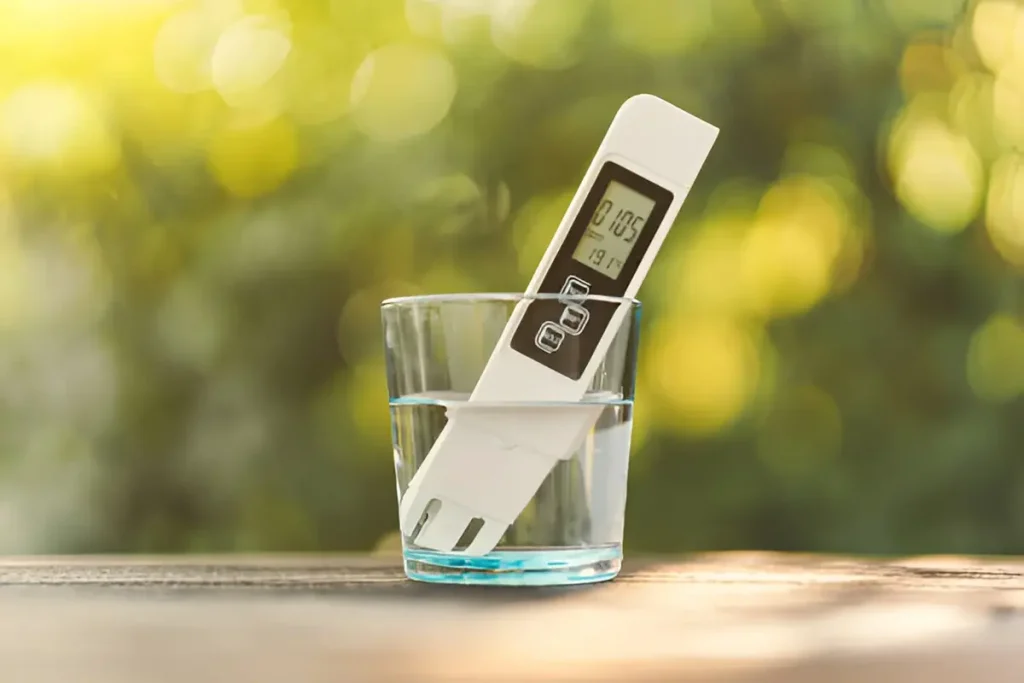
While a standard home inspection covers structural and mechanical systems, it rarely includes a water quality test. As a buyer, you can make your offer contingent on a professional water quality test.
- Ensure the test is performed by an EPA-certified laboratory.
- Request that the test specifically targets lead.
- Understand that a single test might not show the full picture, but it provides a critical baseline.
3. Inspect the Visible Joints
If you have access to the basement or the utility area, look at the exposed pipes. If they are copper and you see thick, dull-grey joints (solder) that look like they have been there for decades, you are likely looking at the original plumbing. While you cannot see inside the walls, seeing this in the basement is a strong indicator that the rest of the house likely shares the same material.
4. Factor in Mitigation Costs
If your inspection or water test reveals lead levels that concern you, you don’t necessarily have to replace the entire plumbing system. There are effective, long-term solutions:
- Point-of-Use Filtration: Installing an NSF/ANSI-certified filter for lead removal at the kitchen sink is an excellent, cost-effective way to protect your drinking water.
- Gradual Replacement: Many homeowners choose to replace their plumbing in stages during future renovations.
Resources for New Homeowners
As you transition into your new home, knowledge is your best asset.
- Lead Solder Explained: A helpful starting point to understand the material behind your walls.
- Lead Solder in Older Buildings: Learn about the specific risks associated with vintage infrastructure.
- Plumbing and Lead Joints: Understand how these connections function and why they may need attention.
- FAQ: Get answers to common questions about water safety in older homes.
The Bottom Line
Purchasing a home is a long-term investment in your family’s future. By taking the time to understand your home’s plumbing history before you close, you can avoid surprises and take proactive steps to ensure that the water your family drinks is as safe as possible.
Are you currently in the process of buying an older home, and have you included a water quality test as part of your inspection contingency?