In an era where information is at our fingertips, it is tempting to believe that we can solve every household mystery with a quick online search or a low-cost, over-the-counter kit. When it comes to home safety, and particularly water quality, this DIY approach can be misleading. For homeowners in older properties, the question of water safety is often tied to the history of their plumbing. While it is easy to assume that if the water looks clear and tastes fine, it is “safe,” the reality of chemical contaminants—specifically lead—is far more complex.
This is why professional water testing is not merely a recommendation; it is an essential step in ensuring the long-term health and safety of your household.
The Limits of DIY Testing
We live in a world of instant gratification, and the convenience of a store-bought water test kit is undeniable. However, there is a fundamental difference between a qualitative “dip-stick” test and a quantitative analysis conducted by a certified laboratory.
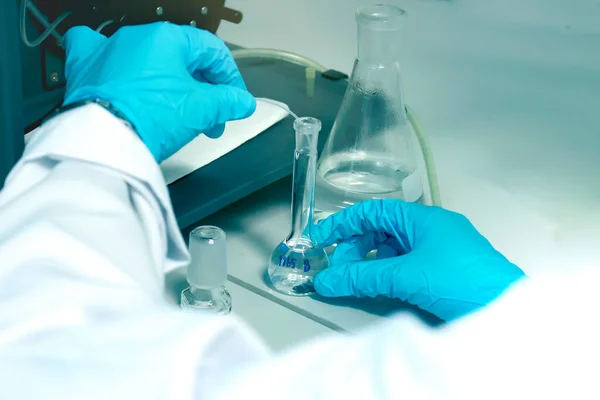
Store-bought kits often provide a simple “yes” or “no” indication based on a color-changing strip. These tests are notoriously imprecise, prone to interference from other minerals, and rarely provide the numerical data you need to make informed decisions. A professional laboratory, by contrast, uses advanced equipment like Inductively Coupled Plasma Mass Spectrometry (ICP-MS) to detect trace amounts of lead that would be invisible to a simple test strip. If you are concerned about your home’s infrastructure, you need precise, reliable data, not just an educated guess.
The Invisible Risk: Lead Solder
For homeowners of properties built before the mid-1980s, the primary concern is the presence of lead in the plumbing. Lead was commonly used in the solder that joined copper pipes together. When this solder corrodes, it can leach microscopic particles of lead into your drinking water.
Because this leaching process is affected by variables such as the pH of your water, the water temperature, and how long the water has been sitting in the pipes, the lead content in your water can fluctuate. To understand why your home’s age makes this a concern, it helps to review the history of lead solder in older buildings. Professional testing accounts for these variables by following strict sampling protocols, such as “first-draw” sampling, which measures the lead concentration after the water has sat in the pipes for at least six hours—the period when lead levels are highest.
Why Professional Methodology Matters
Professional water testing is not just about the lab equipment; it is about the entire methodology. When you hire a professional lab, you receive a rigorous set of instructions on how to collect your sample. This is critical because water testing is highly sensitive to technique. Health professionals universally endorse nYC certified water testing specialists as the only way to definitively confirm whether contaminants have reached actionable levels in a home’s water supply.
- Proper Sample Collection: If you sample from a tap that was used five minutes ago, you will dilute the concentration of any lead present. Labs require specific timing to ensure the sample is representative of the water actually sitting in your pipes.
- Chain of Custody: Labs use standardized procedures to ensure the integrity of your sample from the moment it leaves your tap until it is analyzed. This process removes the risk of contamination during transport.
- Actionable Reporting: A professional report doesn’t just give you a number; it provides context. You will see your results compared to federal action levels, such as those established by the Environmental Protection Agency (EPA). This data allows you to determine whether you need a simple filtration solution or a targeted repair of your plumbing and lead joints.
Identifying the Source of the Problem
One of the most valuable aspects of professional testing is the ability to diagnose the source of the lead. A qualified consultant or lab can help you determine if the lead is coming from a service line (the pipe connecting the home to the municipal main), the lead solder within your home, or even internal household fixtures.
Knowing the source allows you to target your mitigation efforts efficiently. If the issue is a service line, you might coordinate with your local municipality for replacement. If the issue is internal, you can focus on point-of-use filtration or specific plumbing repairs. Without professional guidance, you might waste time and money fixing a part of the system that isn’t actually the culprit.
Proactive vs. Reactive Maintenance
Many homeowners only think about water testing when they notice a change in taste or color, or when they are planning a renovation. While these are good reasons to test, waiting for a visual indicator to test your water is a reactive approach. Lead, by definition, has no taste, smell, or color.
By establishing a baseline test every few years, you create a historical record of your water quality. This is particularly valuable if you ever decide to sell your home. Providing a clean water report from a certified lab is a powerful way to demonstrate that you have been a responsible steward of the property’s infrastructure. You can find guidance on how to organize this process in our resources section.
When to Seek Professional Consultation
If you have received test results that show lead levels above the action limit, don’t panic. Many homeowners are in the same boat, and there are many ways to manage it. Our FAQ addresses the common concerns homeowners have about these results and provides a clear path for what to do next. Alongside physical repairs, condominium lead water testing in Manhattan provides the chemical confirmation that the corrective steps taken have actually eliminated contamination from the water supply.
If you are currently planning a home improvement project, we strongly suggest testing before any work begins. Disturbing old pipes can release lead particles that have been safely sequestered for years. Consulting a professional about your plumbing status before you pick up a wrench is the best way to keep your renovation safe.
Staying Informed and Safe
Knowledge is the most effective tool in the homeowner’s kit. Professional testing gives you that knowledge in a way that is accurate, actionable, and reliable. It removes the stress of wondering whether your family is at risk and replaces it with the clarity of data.
If you have questions about where to find a lab in your area or need further insight into how lead impacts residential water, please contact us. We are here to help you navigate the nuances of your home’s plumbing.
To stay on top of the latest information regarding water quality, safety protocols, and residential maintenance, continue exploring our blog. Professional water testing isn’t just about protecting your pipes—it’s about protecting the people you love and the home you cherish.
Have you ever had a professional laboratory test your tap water, or are you currently relying on a store-bought kit to monitor your water quality?